-ts1694419966.png?ts=1775898269)



Brought to you by Shine Design


Spain ‘Ready Tomorrow’ for European Army, Says Sánchez Amid Global Security Tensions
Barcelona / 11 April 2026
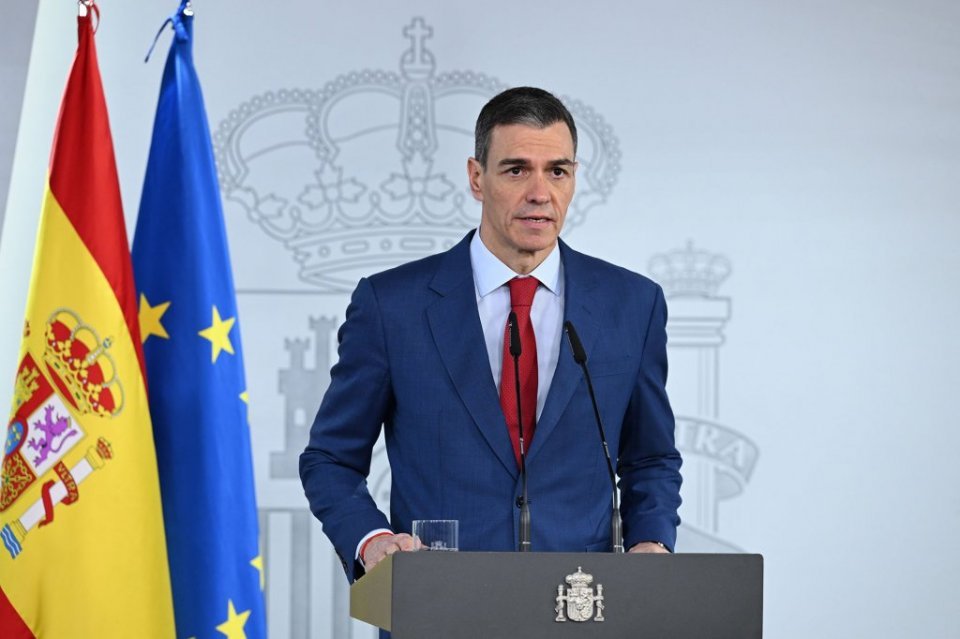
Spanish Prime Minister Pedro Sánchez has declared that Spain is prepared to move forward “immediately” with the creation of a common European army, urging EU nations to accelerate defence integration in response to growing global instability.
Speaking at the European Pulse Forum in Barcelona, Sánchez said Europe must act decisively amid ongoing conflicts in Ukraine and the Middle East.
“Those who believe this decision is optional are mistaken,” he said. “Europe must build a common defence — not in ten years, not in two years, but tomorrow.”
Push for Stronger European Defence
Sánchez argued that the European Union’s position as a global actor depends on greater unity in security and defence, particularly as geopolitical tensions intensify.
He stressed that:
- A joint European defence framework is essential
- EU countries must address shared vulnerabilities collectively
- Strategic autonomy is increasingly necessary in a shifting global order
The proposal aligns with ongoing debates within the European Union over defence coordination and reduced reliance on external powers.
Call for Unity Against ‘Reactionary Forces’
The Spanish leader also warned that Europe must remain firm in its values, urging member states not to “back down in the face of reactionary forces”.
His remarks come amid rising political polarisation across Europe and increasing pressure on democratic institutions.
Middle East Crisis and Israel Stance
Addressing the conflict in the Middle East, Sánchez reiterated his call for the EU to suspend its association agreement with Israel, citing what he described as “flagrant violations” of international humanitarian law.
He warned:
“We must not allow a new Gaza in Lebanon.”
The comments reinforce Spain’s position as one of the most outspoken European critics of Israel’s recent military actions.
Economic and Social Priorities Also Highlighted
The forum also featured contributions from senior Spanish and European figures, including Deputy Prime Minister Yolanda Díaz, who expressed confidence in the resilience of Spain’s labour market.
Díaz said employment levels — currently around 22 million people — are expected to remain stable throughout 2026, crediting labour market reforms for increasing permanent contracts and reducing job insecurity.
Housing affordability emerged as another key issue, with calls for stronger action against speculative investment and rising costs.
Broader European Debate
The event brought together more than 40 political and business leaders to discuss Europe’s future, including defence, economic stability, and social cohesion.
Participants emphasised the need for:
- Greater EU unity on defence and foreign policy
- Sustainable economic growth
- Addressing housing challenges across member states
Sánchez concluded by urging Europe to act with urgency and consistency, positioning deeper integration as essential to safeguarding both security and democratic values.

One Dead and Dozens Injured After Bus Carrying British Tourists Crashes in Canary Islands
La Gomera-Canary Islands / 10 April 2026
La Gomera, Canary Islands — One person has died and at least 27 others, including British tourists, have been injured after a coach crashed on the Spanish island of La Gomera, local authorities have confirmed.
The incident occurred on Friday afternoon along the GM-2 road near San Sebastián de La Gomera, where the vehicle is believed to have veered off the road at a sharp hairpin bend before plunging down a slope into a ravine.
Emergency Response and Casualties
According to the Canary Islands emergency coordination service (112), the alarm was raised shortly after 1:00pm local time, prompting a major emergency response.
Firefighters, paramedics, police, and the Spanish Red Cross were dispatched to the scene, alongside multiple ambulances and an air ambulance.
Authorities confirmed:
- One person died at the scene
- Four people sustained serious injuries
- More than 20 others suffered minor injuries
- Among the most seriously injured were:
- A 73-year-old man
- A 42-year-old man, both with traumatic injuries
They were initially treated at Nuestra Señora de Guadalupe Hospital before being airlifted to specialist facilities in Tenerife for further treatment.
Other injured passengers were also taken to the local hospital, where they are receiving care.
Bus Left Road at Dangerous Bend
Images released by regional authorities appear to show the coach having left the roadway on a tight mountain curve — a feature common on La Gomera’s steep and winding terrain — before coming to rest below the road.
Investigators are now working to determine the exact cause of the crash, including whether road conditions, mechanical failure, or driver error played a role.
State of Emergency Declared
The Canary Islands Government activated an emergency response protocol shortly after the incident, placing the island on alert to coordinate medical and rescue services.
Regional president Fernando Clavijo expressed his condolences in a public statement, saying his thoughts were with the victims and their families.
British Tourists Involved
The bus was carrying a group of British tourists, highlighting the popularity of the Canary Islands — particularly among UK visitors seeking holiday travel.
The UK government is expected to be liaising with Spanish authorities, while consular support may be provided to those affected.
Ongoing Investigation
Authorities have not yet released the identity of the deceased, and the condition of the seriously injured remains under close medical supervision.
The incident is likely to raise renewed concerns about road safety on mountainous routes across the Canary Islands, where narrow roads and sharp bends can present significant driving challenges.
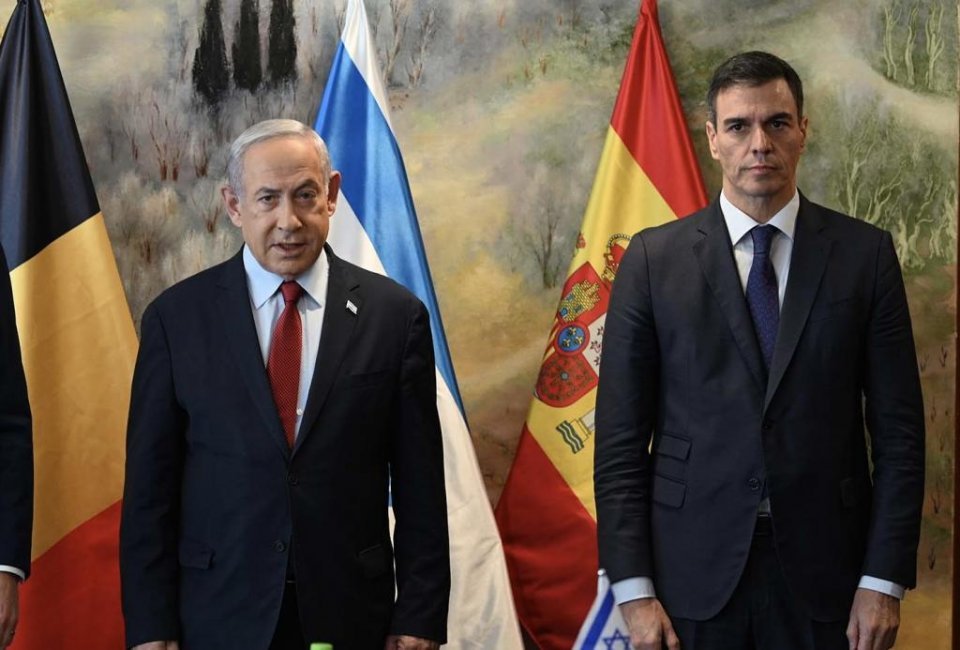
Spain Condemns Israeli Strikes and Escalation in Middle East as Sánchez Attacks Netanyahu’s ‘Intolerable’ Conduct
Madrid / 10 April 2026
The Government of Spain has issued a strong condemnation of Israel’s recent military actions in Lebanon and the broader escalation involving Iran, with Prime Minister Pedro Sánchez accusing Israeli leader Benjamin Netanyahu of showing “contempt for life and international law”.
The remarks come amid intensifying regional violence following Israeli airstrikes in Lebanon that have reportedly killed hundreds and further destabilised an already fragile ceasefire environment.
Speaking publicly and via social media, Sánchez described the situation as unacceptable, renewing calls for accountability and a stronger European response. His comments mark one of the most direct criticisms of Israel by a Western leader in recent weeks.
Spain Escalates Diplomatic Pressure
Spain has taken a series of concrete steps in response to the crisis, including:
- Calling for the European Union to suspend its association agreement with Israel
- Closing Spanish airspace to aircraft linked to the conflict
- Refusing the use of Spanish military bases for operations connected to the war in Iran
- Moving to reopen its embassy in Tehran to support diplomatic engagement
Foreign Minister José Manuel Albares told MPs that the current conflict represents a fundamental threat to global order.
“We are facing one of the greatest assaults on the civilisation built on reason, peace and international law,” Albares said, warning against a return to “the darkest moments of history”.
Growing Rift with the United States
Madrid’s stance has placed it at odds with the United States, particularly under President Donald Trump, who has supported Israeli military operations and warned of consequences for NATO allies that refuse alignment.
Spain has consistently opposed what it describes as “unilateral and illegal” military action, reiterating its long-standing position of “no to war” and prioritising international law and diplomacy.
Tensions have escalated to the point of:
- Threats of trade restrictions from Washington
- Discussions in US political circles about relocating military bases from Spain
- Broader concerns about NATO unity and future transatlantic cooperation
- A Leading European Voice Against Escalation
Sánchez has emerged as one of Europe’s most outspoken critics of the war, warning that Israeli operations in Lebanon risk replicating the devastation seen in Gaza and could further inflame regional instability.
He has also criticised the broader conduct of the conflict, stating that:
“You cannot respond to illegality with more illegality,” and warning that such actions risk undermining the global rules-based order.
Despite criticism from Israel, including accusations of siding with Iran, Spain maintains that its position is rooted in defence of international law, human rights, and multilateral diplomacy.
Domestic Support and European Implications
Domestically, Sánchez’s stance appears to have public backing, with recent polling indicating increased support for his government’s anti-war position.
The crisis is also raising wider questions across Europe about:
- Strategic autonomy from the United States
- The future of NATO cohesion
- The EU’s role in conflict resolution and enforcement of international law
- Call for De-escalation
The Spanish government continues to call for:
- Immediate de-escalation
- Respect for ceasefire agreements
- Renewed diplomatic negotiations involving all parties
Sánchez has emphasised that short-term ceasefires must not distract from the broader consequences of the conflict, warning that lasting peace will require accountability and adherence to international norms.
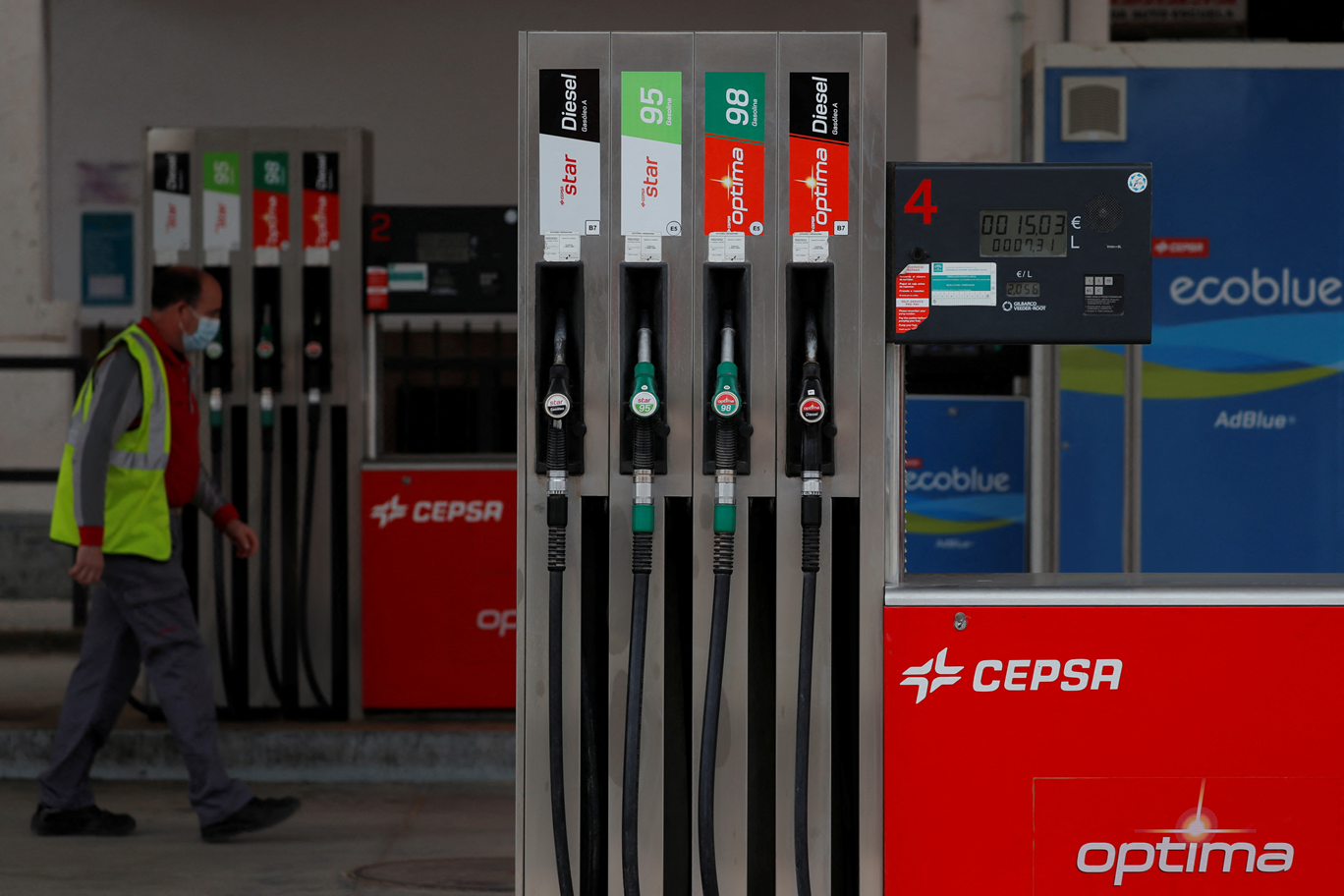
Brussels warns Spain over temporary fuel IVA / VAT cut
Madrid / 9 April 2026
The European Commission has formally warned the Spanish government that its emergency IVA / VAT reduction on petrol and diesel may breach EU rules, although Madrid insists the measure will remain in place for now.
The VAT on fuels was cut from 21% to 10% under Real Decreto-ley 7/2026, approved on 20 March, as part of Spain’s wider €5 billion relief plan to ease the economic impact of rising energy prices linked to the Middle East conflict. According to the government, the cut could save drivers up to €0.30 per litre, or roughly €20 per average tank.
Why Brussels objects
EU rules allow member states to lower excise duties on fuels but do not permit VAT reductions in the same way. While Spain has already reduced excise duties to the minimum allowed under EU law, the politically visible VAT cut has drawn Brussels’ scrutiny.
Commission officials have described the measure as potentially illegal under EU law, but have not yet initiated a formal infringement procedure.
Madrid digs in
Spain has emphasised that the VAT cut is temporary, scheduled to run until 30 June 2026, and framed as an emergency response rather than a structural policy change.
The Ministry of Finance (Hacienda) says it will maintain “constructive and fluid” dialogue with the European Commission while keeping the VAT reduction in place to protect households from rising energy costs.
Former Spanish government minister and current President of the European Investment Bank, Nadia Calviño, has expressed confidence that Spain can find a compliant solution while safeguarding consumer relief.
Implications for drivers
For the coming months, drivers in Spain should see no immediate change to fuel prices. However, extending the measure beyond June may require Spain to adjust its tax package, potentially introducing more targeted relief measures or negotiating alternative EU-wide mechanisms.
Travel disruption warning as airport strikes hit Spain and air traffic control action looms
Madrid / 9 April 2026
Passengers travelling to Spain are being warned of potential disruption due to ongoing airport strikes, alongside fresh concerns over possible air traffic control (ATC) action later this month.
Industrial action is already affecting multiple airports across Spain, including major hubs such as Alicante-Elche Airport, Madrid-Barajas Airport and Barcelona-El Prat Airport.
Ongoing airport staff strikes
Ground handling staff have launched strike action over pay and working conditions, with walkouts taking place on multiple days each week.
The action includes stoppages on Mondays, Wednesdays and Fridays at key times throughout the day, potentially impacting departures and arrivals.
Airports across the country — including Malaga, Palma de Mallorca and Valencia — are affected, raising concerns of delays and longer waiting times for passengers.
Air traffic control strike threat
In addition to the current disruption, reports indicate that air traffic controllers in Spain could stage rolling strikes later in April, particularly in major airspace hubs such as Madrid and Barcelona.
While not yet confirmed nationwide, any ATC action could have a wider impact, potentially affecting flights across Europe, not just those landing in Spain.
What travellers should expect
Passengers travelling during this period may experience:
- Flight delays or schedule changes
- Longer queues at airports
- Disruption at peak travel times
Despite the strikes, minimum service levels are expected to be maintained, meaning most flights will still operate.
Advice for UK travellers
- Airlines are advising passengers to:
- Arrive early at the airport
- Check flight status before travelling
- Allow extra time for connections
The disruption comes during a busy travel period following Easter, with Spain remaining one of the most popular destinations for UK holidaymakers.
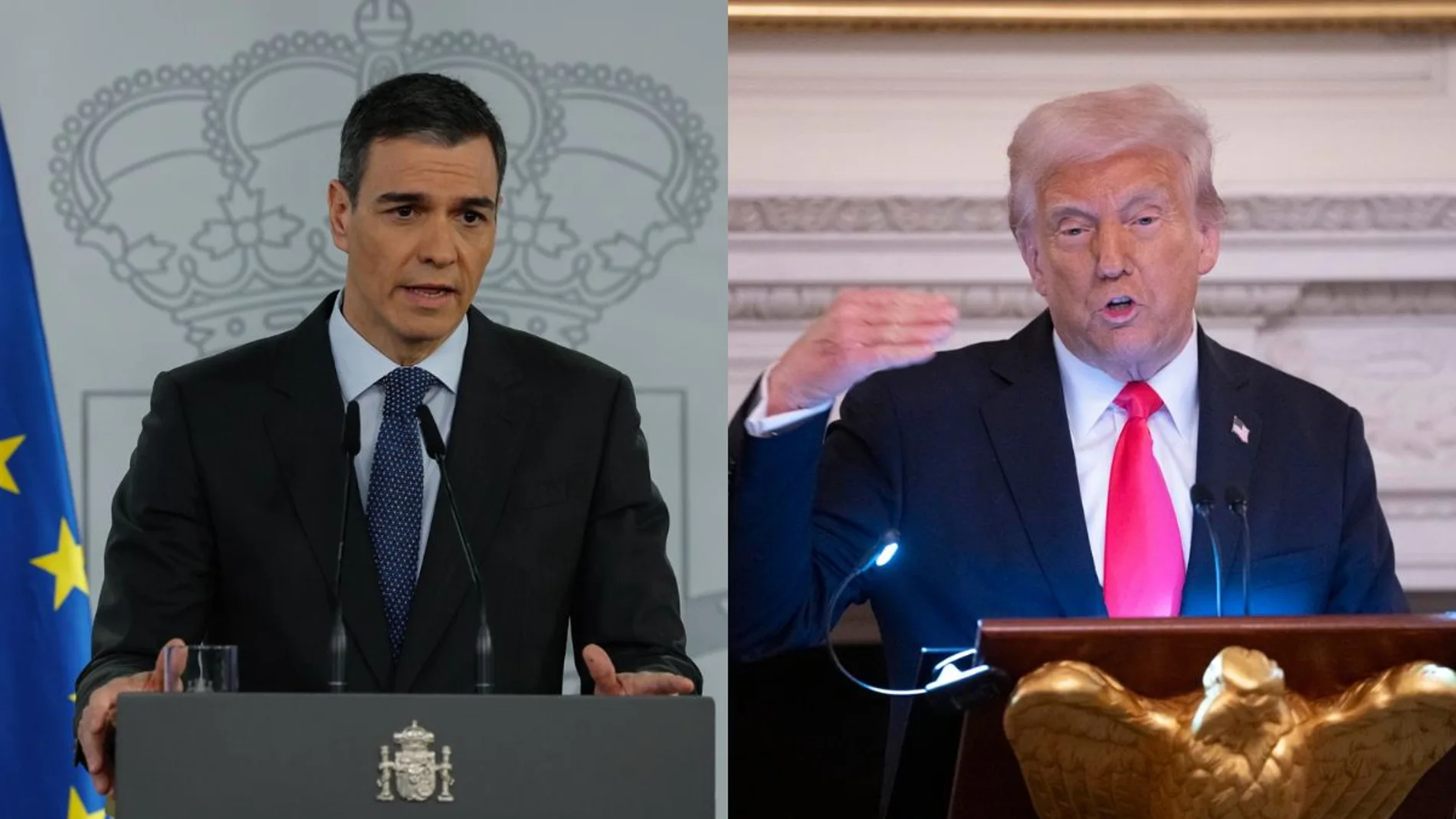
Spanish PM issues stark warning despite welcoming Iran ceasefire
Spain’s Prime Minister Pedro Sánchez has welcomed the recently announced ceasefire between the United States and Iran, while delivering a pointed warning about the wider consequences of the conflict.
The ceasefire, linked to escalating tensions around the Strait of Hormuz, has been presented by Donald Trump as a diplomatic success.
“Ceasefires are always good news”
In a statement posted on X (formerly Twitter), Sánchez said:
“Ceasefires are always good news. Especially if they lead to a just and lasting peace.
But this momentary relief cannot make us forget the chaos, the destruction, and the lives lost.”
He went on to deliver a more critical message, adding:
“The Spanish government will not applaud those who set the world on fire just because they turn up with a bucket.”
Sánchez concluded by calling for a renewed focus on diplomacy, international law and peace.
Spain’s stance on the conflict
Spain has taken a firm position throughout the crisis, consistently calling for de-escalation and political solutions.
The government has also taken practical steps reflecting that stance, including limiting cooperation linked to military operations associated with the conflict.
Global implications remain
The conflict has had far-reaching effects beyond the region, particularly on global energy markets, aviation and shipping routes.
While the ceasefire may provide short-term relief, analysts warn that stability will depend on sustained diplomatic efforts in the coming weeks.
New polls suggest shift in Spanish voter support amid Iran conflict stance
Madrid / 8 April 2026
Spain’s ruling Spanish Socialist Workers' Party is showing a modest increase in voter support, according to newly published opinion polls, as debate continues over the country’s position on the Iran conflict.
Prime Minister Pedro Sánchez has taken a strong stance against the US–Israeli military action, describing it as unlawful and criticising its wider implications. His government has also implemented measures including restricting the use of Spanish airspace and military bases linked to the operation.
Polls indicate PSOE gains
Recent polling from Sigma Dos and 40dB suggests the PSOE has gained ground slightly:
- Between 27.7% and 28.6% support in April
- Up from approximately 26–27% in March
The main opposition, the People's Party, remains the leading party in both surveys, polling at just over 31–32%, with only minor increases.
Vox support stabilises or dips
Meanwhile, the far-right Vox party has seen its support level off or decline slightly in the same polls, ranging between 17% and 18.7%.
Vox has criticised the government’s stance on the conflict, while the PP has taken a more cautious approach, calling for restraint without directly aligning with either side.
Public opinion and wider trends
Public opposition to the conflict appears high, with previous surveys indicating strong majority sentiment against military involvement. Analysts suggest this may be influencing recent shifts in voter behaviour.
Both polls also point to a broader trend of voters consolidating around the two main parties, with some movement away from smaller or more hardline political groups.
Political outlook
Despite these changes, Spain’s political landscape remains fragmented, meaning coalition agreements would likely still be required to form a government.
The next general election is scheduled for 2027, with regional elections due to take place earlier, including a vote in Andalusia in May.
Key changes to Spain’s 2025 income tax rules as filing season begins
Madrd / 7 april 2026
Tax authorities in Spain have confirmed updated rules for the 2025 income tax return campaign, with one major change affecting millions of people.
The filing period officially begins on 8 April, with existing income thresholds largely unchanged but new exemptions introduced.
Unemployment benefit recipients now exempt
The most significant change this year is that individuals who received only unemployment benefits during 2025 will no longer be required to submit a tax return, provided their annual income does not exceed €22,000.
This update is expected to affect around 2.5 million people and removes a previous administrative burden for those out of work.
Who must still file a return?
Under current rules, the following groups are required to submit a tax return:
- Employees earning more than €22,000 per year from a single employer
- Those with multiple employers earning over €15,876 annually (if more than €1,500 comes from additional payers)
- Self-employed workers, regardless of income
- Recipients of the Minimum Living Income (IMV), including all household members
Pensioners with multiple pensions may also need to file, particularly where tax withholdings have not been correctly applied.
Income from savings and property
Lower thresholds apply to non-employment income. Individuals must file a return if they receive:
- More than €1,600 from savings income such as dividends or interest
- Property-related income or capital gains exceeding €1,000 annually
- Capital losses of €500 or more
- Optional but potentially beneficial
Officials note that even those not legally required to file may still benefit from doing so.
Submitting a return can result in a refund where too much tax has been deducted, or allow access to deductions and tax relief schemes.
How to check
Taxpayers can confirm whether they need to file via their draft return provided by the Agencia Tributaria, which will indicate if submission is required.
The 2025 campaign also includes additional measures such as deductions linked to minimum wage earners and aid related to recent weather events.
Spain Tourism Set for Growth in 2026 — but Costs Rise for Travellers
Madrid / 6 April 2026
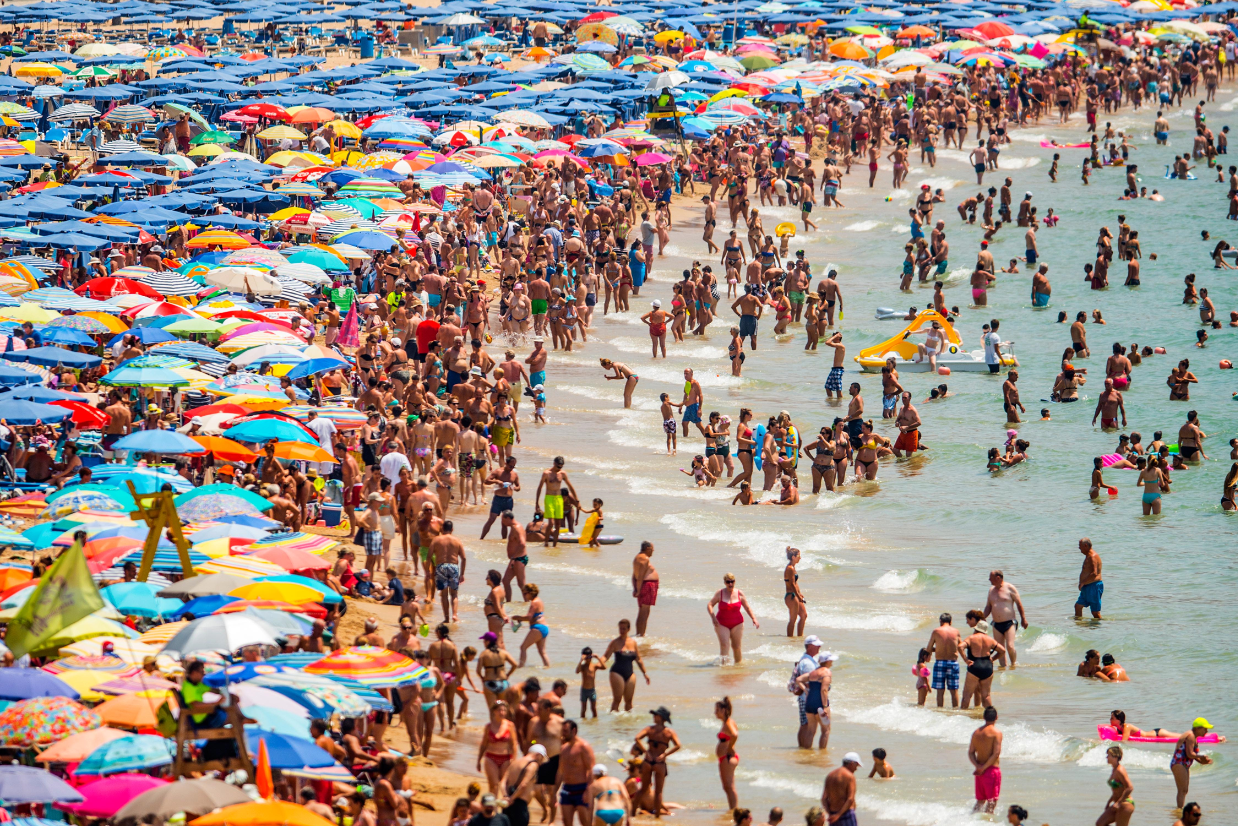
Spain looks set to welcome another strong year of international tourism in 2026, but holiday‑makers are facing higher costs and new charges that could temper the traditional “bargain holiday” image. After setting a record 97 million foreign visitors in 2025, official data and industry forecasts indicate that visitor numbers and spending will continue to grow through 2026, even as travel costs rise.
Recent official figures show international tourist spending in Spain reached €7.6 billion in February 2026 alone, a year‑on‑year increase, and arrivals are tracking above last year’s levels, with key markets such as the United Kingdom maintaining strong interest.
However, several factors are pushing up the price of travel and stays:
- Higher airport and operational costs have filtered through to airlines and travel services, adding to flight and holiday package prices.
- Tourist taxes are rising, particularly in major destinations such as Barcelona. From April 2026, visitors to the Catalan capital will pay increased per‑night tourist levies on top of regional charges — broadly higher than in past years and among the notable increases in Europe.
- Local administrations across Spain are introducing or expanding regional and city‑level tourist levies to better manage overtourism and generate revenue for infrastructure, sustainable tourism initiatives and housing programmes.
In Barcelona, under the new law now in force, overnight charges for visitors can rise substantially compared with previous rates, particularly in higher‑rated accommodation, as part of coordinated efforts to address pressures on housing and public services in a city that welcomes more than 30 million tourists a year.
The evolving model involves more deliberate regulation and cost recovery, as authorities seek to balance growth with social impacts and sustainability goals. Tourism remains central to the Spanish economy, contributing significantly to employment and GDP, but travellers and residents alike are experiencing a shift in how that success is managed.
Key Takeaways for Visitors and Residents:
Spain continues to attract record numbers of international visitors, with strong spending levels early in 2026.
Holiday costs are rising due to aviation cost pressures and expanded tourist taxes in key cities and regions.
Local authorities are increasingly using taxes and regulatory tools to fund services, manage visitor flows and address resident concerns about overtourism.
Spain joins EU partners to push for windfall tax on energy firms amid rising fuel costs
Madrid / 5 April 2026
The Government of Spain has joined four European Union member states in urging the introduction of a bloc-wide windfall tax on energy companies, as escalating global tensions drive up fuel prices and intensify pressure on households and businesses.
In a joint initiative with Germany, Italy, Portugal and Austria, Spain has formally called on the European Commission to act swiftly in response to what ministers describe as significant “market distortions” in global energy markets.
Spanish Economy Minister Carlos Cuerpo confirmed that a joint letter had been sent to EU Climate Commissioner Wopke Hoekstra, urging the development of a coordinated taxation mechanism targeting excess profits within the energy sector.
The proposal comes amid a sharp rise in oil and gas prices following the escalation of conflict in the Middle East, including disruption to supply routes such as the Strait of Hormuz—a critical global energy transit point.
In the letter, the ministers state:
“The conflict in the Middle East has caused oil prices to rise, placing a significant burden on the European economy and on European citizens.”
They argue that a unified EU response is essential to ensure fairness across member states and to prevent disproportionate impacts on consumers.
Mr Cuerpo added that such a measure would help “ease the burden on consumers and taxpayers” while ensuring that companies benefiting from elevated prices contribute more to mitigating economic strain.
Rising inflation and energy insecurity
The push for a windfall tax comes as inflation across the eurozone rises sharply, with energy costs playing a key role. The ministers warn that continued volatility could prolong economic uncertainty and exacerbate cost-of-living pressures.
Dan Jorgensen recently cautioned that fuel prices are unlikely to return to normal levels in the near future due to ongoing geopolitical instability.
A return to 2022-style measures
The proposal mirrors earlier EU action taken in 2022 following the Russian invasion of Ukraine, when a temporary “solidarity contribution” was introduced to tax excess profits from energy firms.
Ministers now argue that similar tools should be reintroduced, citing current fiscal constraints and ongoing market disruption.
“Those who profit from the consequences of war must do their part to ease the burden on the general public,” the letter concludes.
While details of the proposed tax remain under discussion, the move signals growing political momentum across Europe to address inequality in the distribution of energy costs during times of crisis.

Spain Rejects US ‘Interference’ Over Euthanasia Case Amid Disinformation Concerns
Madrid / 4 April 2026
The Spanish government has issued a strong rebuke to the United States following comments by a senior American official calling for an investigation into a high-profile euthanasia case that has sparked national and international debate.
Spain’s Health Minister, Mónica García, accused Washington of “interference” and warned that Spain “will not allow disinformation” to shape the narrative around the case.
Landmark Case Draws International Attention
The controversy centres on Noelia Castillo, a 25-year-old paraplegic woman who underwent assisted dying last week under Spain’s euthanasia law.
Spain legalised euthanasia in 2021, becoming one of a limited number of countries worldwide to permit the practice under strict medical, legal and ethical safeguards.
Castillo first applied for euthanasia in 2024 after becoming paralysed following a suicide attempt in 2022. Her request triggered a prolonged legal battle after her father challenged her eligibility, arguing she did not meet the legal criteria.
The dispute became Spain’s first major euthanasia case to reach European courts, with the European Court of Human Rights ultimately rejecting the father’s appeal.
US Criticism and Spanish Response
The row escalated after Riley Barnes, a US Assistant Secretary of State for Human Rights, said it was “imperative” the case be investigated, claiming Castillo had been “failed in life”.
The comments were echoed by the US embassy in Madrid, prompting a sharp response from García, who defended Spain’s legal framework and healthcare system.
She stated that Spain is a “sovereign country” with:
- Robust legislation governing euthanasia
- Independent clinical review committees
- Judicial oversight backed by European courts
García also criticised US President Donald Trump, accusing his administration of fuelling an “international extremist agenda” through interventions in foreign policy debates.
Disinformation Concerns
Spanish media, including RTVE, have reported a surge in misinformation online surrounding the case.
False claims circulating on social media have included:
- Allegations Castillo did not meet legal criteria
- Claims the Spanish state “abandoned” her
- Conspiracy theories linking euthanasia to organ donation
Authorities say these narratives risk undermining public understanding of the law and the safeguards in place.
Wider Diplomatic Context
The dispute comes amid growing tensions between Spain and the United States, particularly since Trump’s return to power. Previous disagreements have centred on defence spending, foreign policy and Middle East conflicts.
Analysts say the euthanasia row reflects a broader clash over values, sovereignty and human rights frameworks, with Spain positioning itself as a defender of its legal autonomy.

Diesel Fraud Gang Busted in Southern Spain After €196,000 Scam
Madrid / Alicante / Almería / 3 April 2026
Spanish authorities have dismantled a sophisticated fuel fraud network operating across southern Spain, with 15 arrests and the recovery of 18,000 litres of diesel, in a case exposing the growing overlap between organised crime and digital identity theft.
The investigation, led by the Guardia Civil, centred on activity in Almería, Alicante and Murcia, but extended across multiple regions nationwide.
How the Fraud Operated
According to investigators, the group operated between July and November 2025, using stolen corporate data to impersonate legitimate businesses across Spain.
The alleged scheme involved:
- Fraudulently obtaining fuel cards and supply contracts from hydrocarbon companies
- Ordering diesel and equipment without paying invoices
- Reselling fuel on the black market at significantly reduced prices
Authorities say illicit fuel was sold for as little as €1 per litre, undercutting legitimate suppliers and creating strong demand among complicit buyers.
Businesses Hit Twice
The fraud had a double impact on victims:
- Their identities were stolen and used without consent
- Debts were left in their name, causing financial and reputational damage
Affected companies were located in several regions, including Almería, Alicante, Albacete, Badajoz and Madrid — highlighting the nationwide reach of the scheme.
Organised Criminal Structure
Police describe the network as highly structured, with clearly defined roles:
- Individuals sourcing and stealing company data
- Digital operators arranging fraudulent contracts
- Transporters moving fuel in vans, lorries and large containers
- Business collaborators purchasing and redistributing the diesel
Some containers used in the operation were capable of holding up to 1,000 litres, indicating the industrial scale of the activity.
Seizures and Charges
During a search of a warehouse linked to an electrical materials company, officers seized 18,000 litres of diesel obtained through fraudulent means.
Those arrested are being investigated for offences including:
- Membership of a criminal organisation
- Document forgery
- Identity theft and fraud
The operation was coordinated by specialist judicial police units in Almería and Novelda, under the direction of a court in Vera.
Wider Warning to Businesses
Authorities say the case reflects a growing trend in Spain and across Europe, where cyber-enabled fraud is used to facilitate traditional criminal activity.
The Guardia Civil has urged companies to strengthen internal controls, including:
- Verifying supplier and client identities
- Double-checking contracts and payment approvals
- Using secure email systems and two-factor authentication
A spokesperson warned that while this operation has disrupted one network, the methods used are increasingly common and remain a significant threat to businesses.

Deportation of Alleged Crime Figure Steven Lyons to Spain Delayed Following Bali Arrest
London / Madrid / Bali / 2 April 2026
The planned deportation of Scottish national Steven Lyons from Indonesia to Spain has been delayed by 24 hours, in a complex international case spanning Europe, the Middle East and Southeast Asia.
Indonesian authorities confirmed that Lyons, 45, who was arrested at Ngurah Rai International Airport in Bali, is now expected to be transferred to Spain on Thursday instead of Wednesday. No official reason has been provided for the delay.
Arrest Linked to Spanish-Led Investigation
Lyons was detained after being flagged by an Interpol Red Notice, issued at the request of Spanish authorities. Prosecutors in Spain are seeking him in connection with alleged offences including organised crime, drug trafficking, money laundering, and a 2024 murder investigation.
Spanish law enforcement agencies are understood to be leading the case, highlighting Spain’s central role in a wider crackdown on transnational organised crime networks operating across multiple jurisdictions.
Global Network Under Scrutiny
Investigators allege that Lyons is a senior figure in a criminal organisation with links extending across:
- Scotland and England
- Spain
- United Arab Emirates (including Dubai)
- Qatar
- Bahrain
- Turkey
Authorities believe the network used shell companies, international transport routes, and financial channels to facilitate drug trafficking and launder proceeds across borders.
Coordinated International Crackdown
The arrest in Bali forms part of a broader, coordinated operation involving Spanish and UK law enforcement, alongside international partners.
Recent reports indicate that simultaneous raids in Spain and Scotland have already resulted in multiple arrests linked to the same investigation.
The case has drawn significant attention due to its scale and the level of cross-border cooperation involved. Analysts note that Spain has become a key operational hub in efforts to dismantle organised crime networks with European and global reach.
Next Steps
Lyons is expected to be deported to Spain imminently, where he will face judicial proceedings under Spanish law. Authorities have not ruled out further arrests or disclosures as the investigation progresses.
While the 24-hour delay is not considered unusual in complex extradition and deportation processes, officials emphasise that the case remains active and fast-moving.
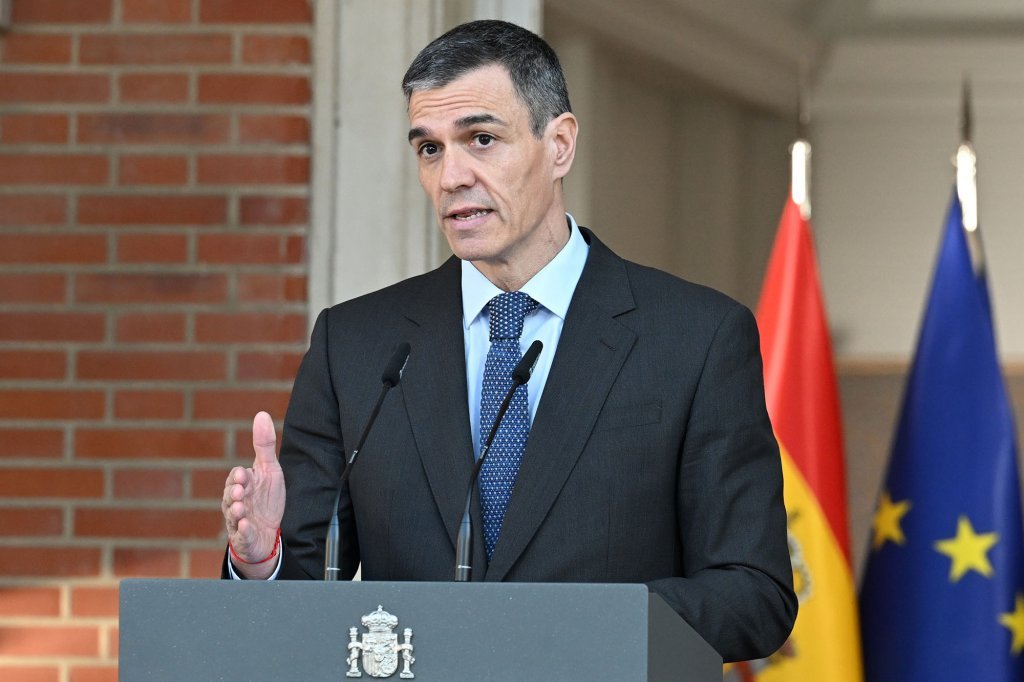
Spain’s PM condemns Israeli death penalty law as ‘step towards apartheid’
Madrid / 31st March 2026
Spain’s Prime Minister Pedro Sánchez has strongly criticised new legislation passed by Israel introducing the death penalty for certain Palestinians, describing the move as “a step towards apartheid”.
The law, approved by the Knesset, would allow military courts to impose the death penalty as a default sentence on Palestinians in the West Bank convicted of carrying out deadly attacks classified as terrorism.
In a statement posted on social media, Sánchez said:
“Same crime, different penalty. That is not justice. It is one more step toward apartheid. The world cannot remain silent.”
International concern over discriminatory impact
The legislation has sparked widespread international concern, with critics arguing it creates a two-tier legal system by applying harsher penalties to Palestinians than to Israeli citizens accused of similar offences.
A joint statement from the governments of United Kingdom, France, Germany, Italy and Australia expressed “deep concern” over the law, warning of its “de facto discriminatory character” and its potential to undermine democratic principles.
The statement also reiterated opposition to capital punishment, describing it as “inhumane and degrading” and lacking any proven deterrent effect.
Rising diplomatic tensions
The development comes amid an ongoing diplomatic rift between Spain and Israel, which has intensified during the conflict in Gaza and wider tensions in the Middle East.
Spain has taken an increasingly critical stance on Israeli policy, including support for international legal action and opposition to recent military escalations in the region. In turn, Israeli officials have accused Spain of bias, further straining relations.
The situation escalated earlier this month when Spain withdrew its ambassador to Israel, signalling a significant deterioration in diplomatic ties.
Historical context
Israel abolished the death penalty for ordinary crimes in 1954, with its only execution following a civilian trial being that of Adolf Eichmann in 1962.
The new law represents a significant shift in policy and has reignited debate over human rights, legal equality and the future direction of the Israeli justice system.

Spanish Prime Minister’s Viral Video Sparks Diplomatic Conversation in Europe and the United States
Madrid / 31 March 2026
Spanish Prime Minister Pedro Sánchez has captured international attention after posting a short social media video cycling through scenic trails while wearing a red cap reading “Make Science Great Again” — a clear visual echo of former US President Donald Trump’s 2016 ‘Make America Great Again’ slogan. The video, shared on Instagram and TikTok, includes the Prime Minister saying in Spanish “Vamos a darle caña” — loosely translated as “let’s give it our all” — and has now been widely shared across Europe, the United States, and beyond.
The cap — reportedly a gift from Spain’s Vice‑President — has been interpreted by commentators in Madrid as both a humorous nod to American political iconography and a symbolic reinforcement of Spain’s stated priorities on science, evidence‑based policy, and education funding. Spanish media note that “Make Science Great Again” has become a rallying cry in online scientific communities alarmed at global underinvestment in research and innovation.
In the video, Sánchez also accompanies his ride with an instrumental version of The Best of Both Worlds — the theme from Hannah Montana — in a move that Spanish commentators suggest could be aimed at resonating with younger audiences.
A Broader Diplomatic Backdrop
The social media moment arrives amid escalating diplomatic tensions between Madrid and Washington. In recent weeks, Spain has taken a series of assertive foreign policy decisions, including:
Closing Spanish airspace to US military flights linked to current Middle East conflict operations, reinforcing Madrid’s refusal to allow the use of its airspace or jointly operated bases (such as Rota and Morón) for attacks on Iran. These measures were framed by Spain’s government as consistent with international law and a commitment to a “no to war” stance.
Maintaining firm opposition to US‑Israeli military strikes on Iran and rejecting what it views as unilateral military engagement. Prime Minister Sánchez and senior Spanish officials have repeatedly emphasised diplomatic negotiation over military escalation.
President Trump’s administration responded with strong rhetoric against Madrid, reportedly warning of potential trade implications if Spain continued to restrict support for US military operations. While such measures have not been fully implemented, the exchange underscores a deepening policy divergence between the two NATO allies.
International and European Reactions
International media and analysts have noted that Sánchez’s approach has positioned Spain as one of the most outspoken European critics of the Trump administration’s foreign policy, particularly regarding the Middle East and military engagement. European commentators also highlight a broader trend of EU member states seeking independent policy paths on security and defence.

Madrid F1 Debut Drives Hotel Prices Above €1,000 as Demand Surges Months Ahead
Madrid / 30 March 2026Hotel prices in Madrid have surged dramatically ahead of the city’s first-ever Formula 1 Madrid Grand Prix, with average nightly rates expected to exceed €1,000 during the race weekend.
New market analysis indicates that accommodation prices for the event, scheduled for 11–13 September 2026, are already averaging around €1,071 per night, placing Madrid among the most expensive destinations on the global Formula One calendar.
The sharp rise represents an increase of more than 140% compared with the previous weekend, highlighting the significant impact major international sporting events can have on local tourism markets well before they take place.
Industry analysts say the surge is being driven by a combination of factors, including the novelty of Madrid joining the Formula One circuit for the first time, strong international demand from fans and corporate hospitality clients, and the city’s established appeal as a leading European short-break destination.
By comparison, the Spanish Grand Prix at Circuit de Barcelona-Catalunya — scheduled for June — is expected to see average hotel prices of around €586 per night, considerably lower than Madrid’s projected figures. This contrast underlines the premium being placed on the capital’s debut event.
Experts suggest that global events such as Formula One are increasingly pushing accommodation prices to record levels, as cities compete to maximise tourism revenue and international exposure. For Madrid, the race is expected to deliver a major economic boost across hotels, restaurants and the wider visitor economy.
However, the steep rise in prices is also likely to raise concerns around affordability. With accommodation alone exceeding €1,000 per night in some cases, attending the event could become out of reach for many fans once travel, tickets and other expenses are factored in.
Spain’s economy has remained relatively strong compared with many European counterparts, supported by tourism and international demand, and events such as the Madrid Grand Prix are seen as key to sustaining that growth. However, the balance between global prestige and accessibility is expected to be a key issue as the event approaches.
While the race itself is still months away, the early spike in hotel prices suggests the economic impact of Formula One is already being felt across the city — long before the first cars take to the track.
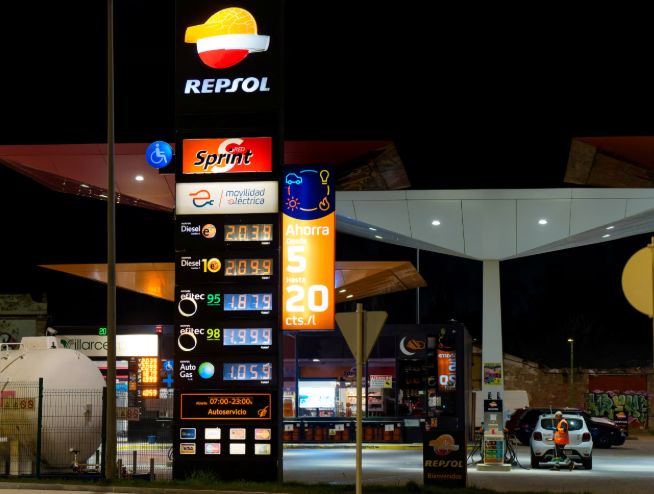
Spain Sees Sharp Rise in Inflation as Middle East Conflict Drives Fuel Prices Higher
Madrid / 29 March 2026
Spain’s inflation rate jumped to 3.3% in March, marking the fastest annual price increase since mid‑2024 and highlighting the growing economic impact of the ongoing conflict in the Middle East. Preliminary figures from the National Statistics Institute show that the Consumer Price Index (CPI) accelerated sharply compared with February, largely due to rising fuel and energy costs stemming from the war involving Iran.
The inflation surge, driven by higher costs for petrol, diesel and other energy commodities, has triggered broader concerns over household budgets and business costs across the country. While electricity prices were slightly lower compared with a year earlier, they did not offset the sharp rise in fuel costs. Core inflation — which excludes volatile items such as energy — remained steady at around 2.7%, indicating persistent price pressures beyond just fuel.
Spain’s central bank, the Bank of Spain, has revised its outlook in response to the changing economic picture. The bank now expects inflation to average around 3% in 2026, significantly higher than earlier forecasts, and has slightly upgraded its GDP growth projection for this year to 2.3%, though it warns of a marked slowdown in economic activity if global conditions deteriorate further.
Economic analysts link much of the inflationary pressure to the 2026 conflict in Iran and the associated disruption to global energy supplies. A near‑total closure of key shipping routes such as the Strait of Hormuz has contributed to elevated crude oil and gas prices worldwide, putting upward pressure on fuel costs in Europe and beyond.
The inflation picture is compounded by broader geopolitical uncertainty. The Organisation for Economic Co‑operation and Development has already trimmed growth forecasts for the eurozone and warned that higher energy prices could keep inflation elevated across the bloc.
In a bid to shield households and businesses from rising costs, the Spanish government has introduced a multi‑billion‑euro package of relief measures. These include reductions in value‑added tax (VAT) on fuel, electricity and gas and direct fuel subsidies aimed at transport operators and key sectors such as agriculture and fishing. Officials say the plan is designed to limit the impact of higher energy costs on everyday living and ensure the shock does not have a lasting effect on household incomes.
Despite these challenges, Spain’s economy remains one of the stronger performers in the European Union. Strong tourism, resilient domestic consumption and investment in renewable energy have helped bolster growth, even as inflation pressures build. More detailed regional inflation data is expected next month, offering a clearer picture of how rising prices are affecting different parts of the country.

Five Arrested Over Murder of American Street Musician in Spain
Sagunto / 28 March 2026
Spanish authorities have arrested five men in connection with the murder of an American street musician whose body was discovered in an abandoned building in the Valencian town of Sagunto.
The victim, identified in Spanish media reports as Djinn Maury, a 39-year-old violinist originally from the United States, had been living in the disused property where his body was later found. He was known locally for performing music on the streets and sharing his work online.
The case dates back to April 2025, when Maury’s body was discovered in an advanced state of decomposition inside an abandoned industrial building near Sagunto. Investigators later determined that he had died several months earlier after suffering multiple stab wounds during a violent confrontation.
According to Spanish reports, the Guardia Civil homicide unit led a lengthy investigation, gathering forensic evidence from the scene, including biological traces that proved key to identifying both the victim and potential suspects. The isolated nature of Maury’s lifestyle initially made the investigation more challenging, as he had limited social connections in the area.
Authorities now believe the fatal attack occurred between late January and early February 2025. One line of enquiry suggested that at least one of the alleged attackers may have sustained injuries during the incident and later sought medical treatment — a detail that reportedly helped investigators progress the case.
The five suspects, aged between 21 and 26, were arrested following coordinated operations in several locations across the Valencia region, including Paterna, Burjassot and Benicarló. They are understood to include four Spanish nationals and one Lithuanian national. The case has now been referred to a court in Sagunto, where proceedings will continue.
No official motive has yet been confirmed, and all individuals are currently being treated as suspects as the judicial process unfolds.
The case has attracted significant attention both in Spain and internationally, not only due to the brutality of the killing but also because of the victim’s circumstances. Maury had travelled to Europe in pursuit of a life in music and was living in precarious conditions at the time of his death.
The arrests mark a major breakthrough in what had remained an unresolved homicide for nearly a year, shifting the focus from investigation to prosecution as authorities seek to establish the full circumstances surrounding the killing.
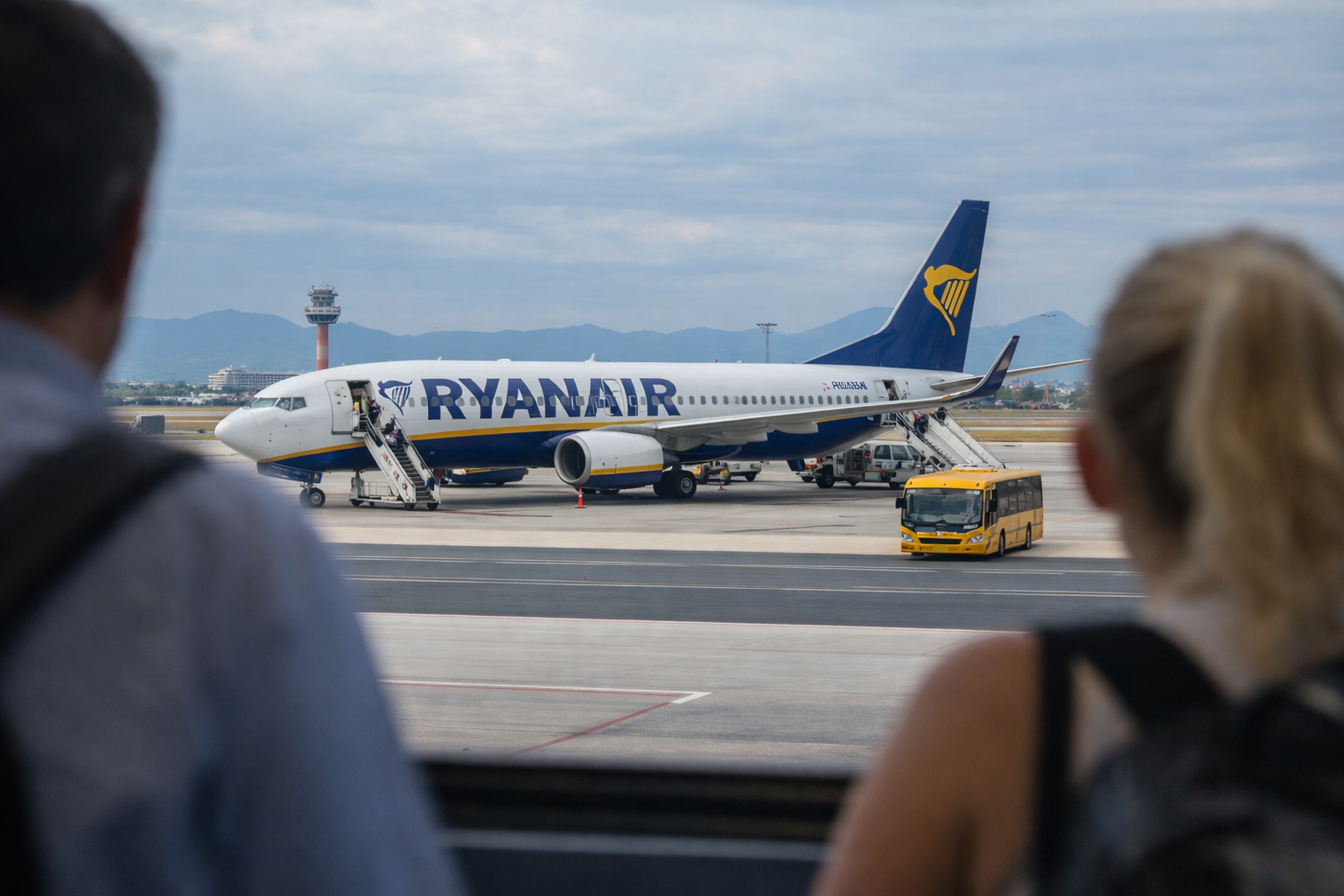
Spanish Airport Strike Action Suspended at Start of Easter Travel Peak – UK Travellers Urged to Stay Alert for Further Disruption
Madrid / London / 27 March 2026
Major Spanish airport unions have suspended the first days of planned strike action by ground handling staff, offering a temporary reprieve for international travellers, including those travelling from the UK, during one of the busiest travel periods of the year.
Unions representing airport ground staff announced at the end of last week that the initial strike dates – expected to take place at several major airports including Madrid‑Barajas, Barcelona and Palma de Mallorca – have been called off at the last minute following intensive negotiations. This development is expected to relieve immediate pressure on operations over the long Easter weekend.
However, unions have confirmed that additional strike days later in the Easter season are still likely, as ongoing disputes over pay, contracts and working conditions continue between unions and ground handling firms. Workers from companies such as Groundforce and Menzies have been involved in the dispute, which previously threatened to affect multiple airports across Spain.
This suspension comes amid broader concerns over service pressures in the Spanish aviation sector. Earlier reports had warned that the action could have affected millions of passengers travelling through as many as 12 major airports, including popular holiday destinations such as Ibiza, Tenerife and Alicante.
In addition to the industrial action, travellers from the UK are being reminded that longer queues may still occur at border and security controls due to the full implementation of the EU’s new Entry/Exit System (EES), which requires biometric registration for non‑EU nationals – including British citizens. The UK Foreign Office has previously issued guidance highlighting potential delays related to these new passport procedures.
What This Means for UK Travellers:
- Immediate strike action has been suspended, lowering the risk of disruption for the first days of the Easter travel rush.
- Future strike dates remain possible – passengers should check updates with airlines and airport operators before travel.
- Operational pressures and border control delays may still occur, so travellers are advised to arrive early, check flight statuses and remain flexible.
UK Government travel guidance suggests allowing extra time at airports and keeping abreast of both strike developments and EES requirements.
This interim suspension offers some welcome certainty ahead of one of Europe’s busiest travel periods, but industry experts and government officials alike stress that passengers should remain prepared for further announcements and potential impacts as negotiations continue.
Spain Economy Grows 2.8% in 2025, Outpacing Eurozone Peers
Madrid / 26 March 2026
Spain’s economy expanded by 2.8% in 2025, roughly double the average growth rate across the eurozone, according to confirmed figures released by the National Statistics Institute.
The data confirms Spain as one of the strongest-performing major economies in Europe, driven largely by robust domestic demand, rising employment, and continued growth in exports.
Strong Finish to the Year
Growth accelerated in the final quarter of 2025, with GDP rising 0.8%, marking the strongest quarterly performance of the year. Compared with the same period in 2024, the economy expanded by 2.7%, signalling sustained momentum.
Key Drivers of Growth
The expansion was led by:
- Household consumption, up 3.1% year-on-year
- Investment in capital goods, rising 5.9%
- Exports, increasing 3.8%
From a sector perspective:
- Construction recorded the fastest growth at 7.2%
- Services, a key pillar of Spain’s tourism-driven economy, grew by 3%
- The primary sector was the only area to contract, falling 0.6%
- Jobs and Wages on the Rise
- The labour market also showed strength, with:
- Employment increasing by 3.2%
- Wages rising by 4.5%
- Overall employee compensation climbing 7.8%
In nominal terms, Spain’s total economic output reached €1.69 trillion, representing a 5.8% increase compared with 2024.
Implications for UK Travellers and Investors
For UK visitors and businesses, Spain’s economic performance reflects a resilient tourism sector, improving infrastructure, and strong consumer demand — all of which support the country’s appeal as a key destination and investment market.
The figures also highlight Spain’s position as a leading growth engine within the eurozone, at a time when many European economies are experiencing slower expansion.

Spain and Morocco Dismantle Suspected Jihadist Cell, Mallorca Arrest Linked to Planned ‘Lone Wolf’ Attack
Madrid / 27 March 2026
A joint counterterrorism operation between National Police of Spain and Morocco’s General Directorate for Territorial Surveillance has led to the arrest of three suspected members of a jihadist cell operating across both countries.
The coordinated operation saw one suspect detained in Palma de Mallorca, with two others arrested in Tangier. Authorities believe the group was linked to Islamic State (Daesh) and had developed a cross-border structure combining operational planning and logistical support.
Investigators say the man arrested in Mallorca is suspected of acting as the leader of the cell and was allegedly preparing a ‘lone wolf’ style terrorist attack in Spain, a tactic associated with decentralised extremist operations designed to be difficult to detect.
International Network and Support Structure
The two suspects detained in Morocco are believed to have played key supporting roles, including financing and logistical assistance to extremist fighters operating in regions such as the Sahel and Somalia. Authorities describe the network as a coordinated structure linking operational planning in Spain with support activities abroad.
Ongoing Security Cooperation
The operation highlights the strength of long-standing counterterrorism cooperation between Spain and Morocco. Since 2014, joint efforts between the two countries have led to the dismantling of more than 30 jihadist cells, reflecting continued vigilance against evolving threats.
Security services emphasised that early intervention was crucial in preventing a potential attack, particularly given the challenges posed by lone-actor terrorism.
Relevance for UK Travellers
For UK travellers visiting Spain, including popular destinations such as the Balearic Islands, the operation demonstrates the proactive approach taken by Spanish authorities to counter security threats. Officials stress that such actions are part of routine preventive measures aimed at ensuring public safety.
Authorities have not disclosed specific details about the alleged target or timing of the planned attack, but investigations remain ongoing.
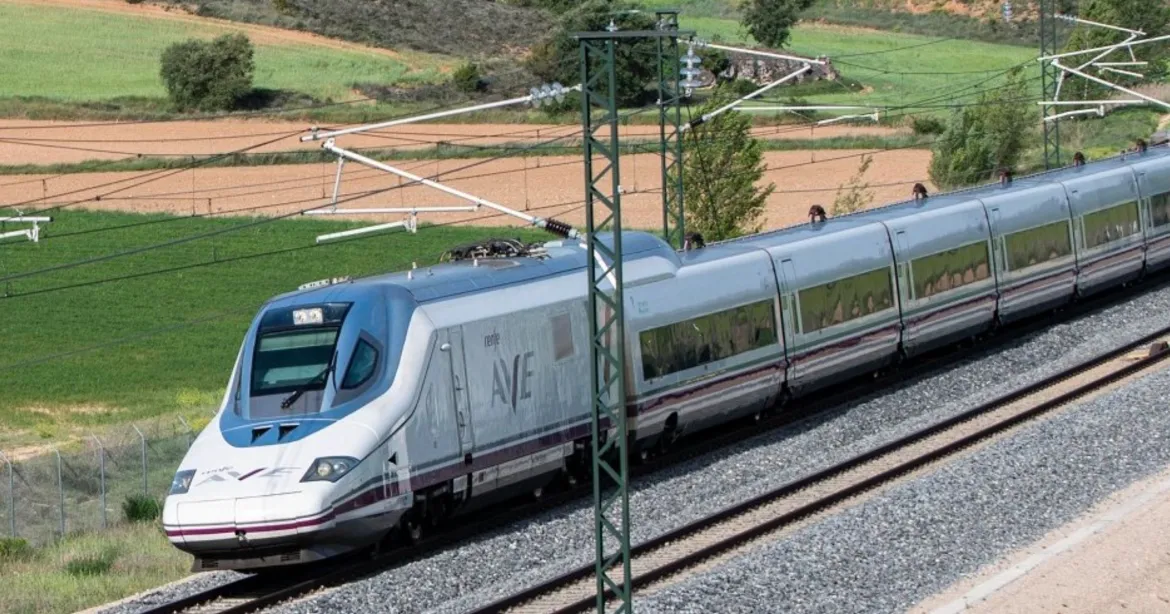
Spain’s Renfe Announces Record €1.36bn High-Speed Train Order Amid Network Pressure
Madrid / 26 March 2026
Spain’s national rail operator Renfe has unveiled the largest rolling stock investment in its history, launching a tender worth €1.362 billion for 30 new high-speed trains as it seeks to expand capacity and restore confidence following recent disruption across the network.
The order — which could rise to 40 trains worth €1.777 billion — marks a significant long-term bet on the future of high-speed rail in Spain, where passenger demand is forecast to grow steadily over the coming decade.
The new trains are expected to reach speeds of up to 350 km/h, exceeding the current operational limit of 300 km/h on key routes such as the Madrid–Barcelona high-speed line. Planned infrastructure upgrades by Adif are set to support these higher speeds, signalling a shift toward faster and more efficient intercity travel.
Response to Disruption and Rising Demand
The investment comes after a challenging period for Spain’s rail network, which has faced service disruptions, delays, and safety concerns, placing reliability under scrutiny. Spain’s Transport Minister, Óscar Puente, confirmed the plan in parliament, underscoring the government’s commitment to modernising the rail system.
Industry heavyweights including Siemens Mobility and Hitachi Rail are expected to compete for the contract, reflecting the scale and strategic importance of the tender.
Passenger-Focused Improvements
According to the specifications, each train must include:
- Capacity for at least 450 passengers
- Accessible spaces for reduced mobility users
- Bicycle storage areas
- On-board catering services, including café facilities
Renfe will prioritise not only cost and technical performance but also delivery speed, as it faces pressure to introduce new trains quickly.
Long-Term Transformation, Not Quick Fix
Despite the urgency, the rollout will take time. The first trains are expected within 40 months, with the full fleet delivered over six and a half years. This positions the project as a strategic transformation rather than an immediate solution to current service issues.
The investment also aligns with broader changes in Spain’s rail market, where increasing competition from private and low-cost operators is pushing Renfe to modernise its fleet and improve service standards.
Implications for UK and European Travel
For UK travellers, the move highlights Spain’s continued leadership in high-speed rail — an area where investment contrasts sharply with ongoing debates over infrastructure delivery in Britain. The expansion could enhance connectivity for tourists and business travellers using Spain’s extensive rail network.
Ultimately, the success of the investment will depend on whether it delivers what passengers expect most: greater reliability, increased capacity, and faster journey times.
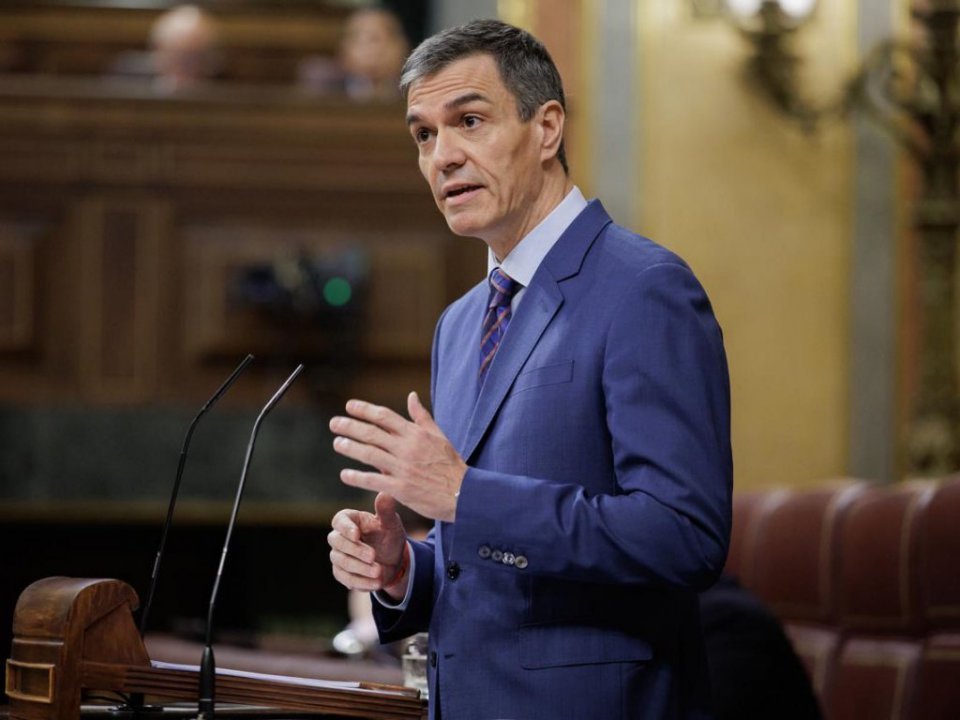
Spain Warns Middle East Conflict ‘Far Worse’ Than Iraq War as Tensions Rise with US
Madrid / 26 March 2026
Spanish Prime Minister Pedro Sánchez has issued a stark warning that the current Middle East conflict could have consequences “far worse” than the 2003 invasion of Iraq, raising concerns over global economic stability and European security.
Addressing the Spanish parliament, Sánchez described the conflict as “absurd and illegal” and cautioned that its impact could be “broader and deeper” than previous wars in the region. He warned that the fallout is already being felt economically, with rising energy prices expected to affect households across Europe.
The Spanish government has taken the unusual step of refusing requests from the United States — led by Donald Trump — to allow the use of key Spanish military bases, including Rota and Morón, for operations linked to tensions involving Iran. The decision has reportedly triggered diplomatic friction, including threats of trade repercussions from Washington.
Sánchez defended the move by pointing to the legacy of the Iraq war, arguing that it failed to deliver stability and instead contributed to higher living costs, increased migration pressures, and heightened security risks across Europe. He warned that a repeat scenario could again place financial strain on ordinary citizens.
“Every bomb that falls in the Middle East eventually hits the wallets of our families,” he told lawmakers, highlighting concerns over inflation and energy supply disruption.
In response, Spain has approved a €5 billion emergency support package aimed at cushioning the economic impact of the conflict. Measures include fuel tax reductions and broader support to households and businesses facing rising costs.
The issue carries strong political resonance in Spain, where public opposition to the Iraq war played a decisive role in past elections following the 2004 Madrid train bombings. Recent polling suggests Sánchez’s current stance is supported by a majority of Spanish voters, reflecting widespread reluctance to become directly involved in another Middle East conflict.
As tensions continue to escalate, Spain’s position highlights growing divisions among Western allies over how to respond — and raises fresh questions about the economic and political consequences for Europe.

Man Arrested at Murcia Airport Over Fatal Shooting in Torrevieja
Alicante Province / 25 March 2026
A 40-year-old man has been arrested in connection with the fatal shooting of a 33-year-old man in Torrevieja, after allegedly attempting to flee Spain.
The suspect was detained by the Guardia Civil at Región de Murcia International Airport on 17 March, following an intensive investigation into the killing earlier this month.
Victim discovered on beach
The incident dates back to 1 March, when tourists walking along Rocío de Mar beach discovered a man lying seriously injured. Emergency services transported him to hospital, but he later died from his injuries.
Medical examinations confirmed the victim had suffered a gunshot wound to the head, prompting a full homicide investigation.
Specialist investigation identifies suspect
Due to the seriousness of the case, the investigation was transferred to a specialist homicide unit within the Civil Guard in Alicante. Officers soon focused on a suspect living in Torre-Pacheco, who had previous convictions related to assault and illegal possession of weapons.
Arrest during attempted escape
Amid concerns the suspect could flee, officers intensified surveillance and intercepted him in the airport car park in Murcia. At the time of his arrest, he was allegedly preparing to leave Spain, with luggage and travel documents found in his vehicle.
On the same day, investigators also located and seized a vehicle believed to be linked to the crime in La Nucía, as part of efforts to fully reconstruct the events.
Court action and ongoing inquiry
The suspect has appeared before a court in Murcia, which has ordered his pre-trial detention. The case is now being handled by a court in Torrevieja, where proceedings have been placed under judicial secrecy while investigations continue.
Public reassurance
Authorities say the arrest represents significant progress in the case and have reassured the public that the investigation remains ongoing to clarify all circumstances surrounding the incident.
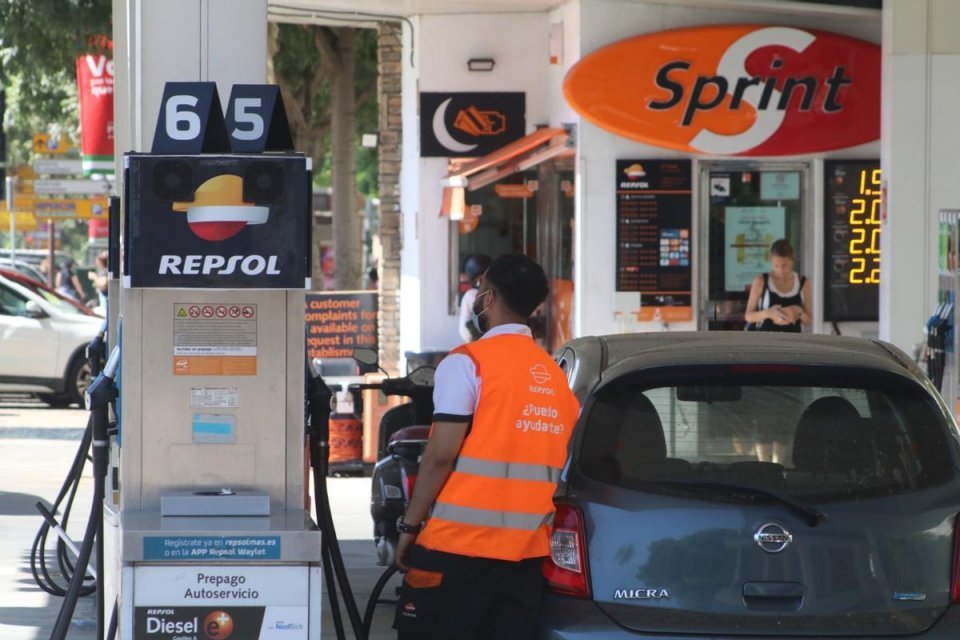
Spain’s Fuel VAT Cut Faces Backlash as Savings Fail to Reach All Drivers
Madrid / 24 March 2026
Spain’s emergency reduction in fuel VAT is facing mounting criticism after evidence emerged that not all motorists are benefiting from the full tax cut, raising concerns over the effectiveness of the government’s cost-of-living measures.
The consumer organisation FACUA reported that around one in four petrol stations failed to pass on the full reduction when the VAT rate was cut from 21% to 10%. The measure was introduced as part of a broader package to ease financial pressure following the economic impact of the Middle East conflict.
Partial savings at the pump
According to FACUA’s analysis of over 9,000 fuel stations across mainland Spain and the Balearic Islands, 2,337 stations increased base prices, effectively absorbing part or all of the tax cut.
Some stations kept prices unchanged, negating the benefit entirely
Others increased prices, leaving drivers worse off
The average diesel saving was around 16.1 cents per litre, compared to an expected 17.8 cents if the full reduction had been passed on
Similar patterns were identified for petrol, suggesting the issue is widespread rather than isolated.
Government under pressure
The findings have placed the Spanish government under growing pressure to ensure that the VAT reduction delivers tangible benefits to consumers. Ministers have indicated that the aim of the policy is to reduce prices for motorists, not boost fuel company margins.
As part of the decree, the competition authority CNMC has been granted enhanced powers to monitor pricing, request data, and impose sanctions where necessary. The government has also committed to reviewing fuel margins within 15 days, leaving open the possibility of further intervention if irregularities are confirmed.
Market tensions and calls for stricter controls
FACUA has warned that in a liberalised fuel market, tax cuts alone may not guarantee lower prices, as operators retain control over pricing strategies. The organisation has called for stronger regulatory measures, including potential controls on margins, to prevent companies from absorbing public relief measures.
Wider economic implications
The controversy highlights broader concerns about Spain’s cost-of-living crisis. Fuel prices not only affect motorists directly but also have a knock-on effect on transport costs, supply chains, and inflation.
If the VAT reduction fails to translate into meaningful savings, analysts warn it could undermine confidence in the government’s ability to shield households and businesses from global economic shocks.
A test for policy effectiveness
The situation now represents a key test for Spain’s economic strategy: whether market monitoring alone is sufficient, or whether stronger intervention will be required to ensure that relief measures reach consumers as intended.
For drivers, the message remains clear – while the VAT cut exists on paper, the real savings at the pump may vary significantly depending on where they fill up.
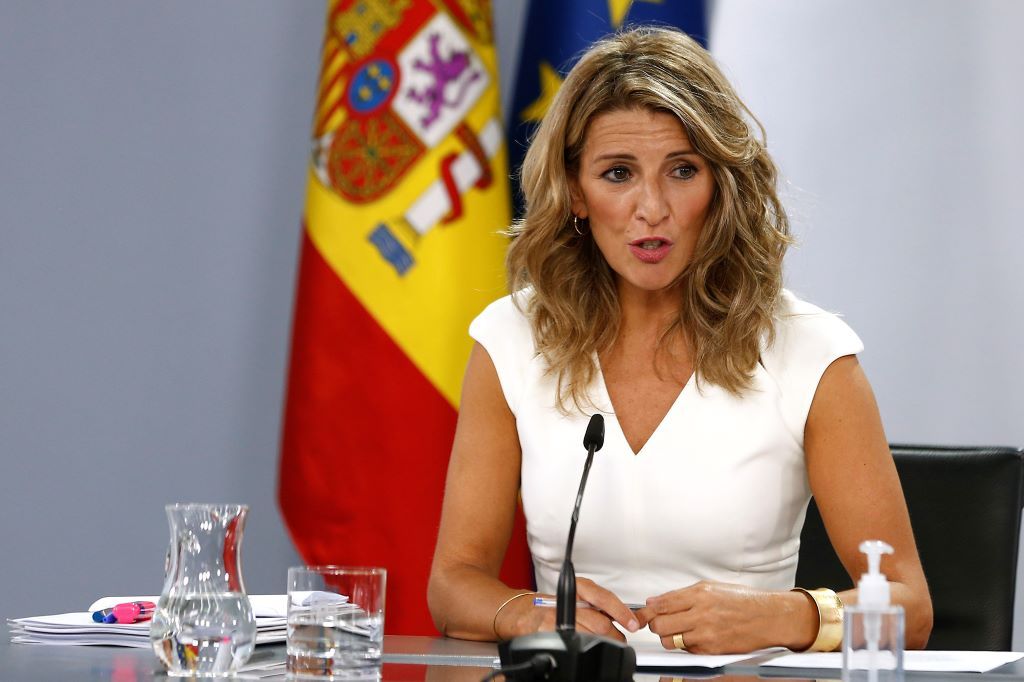
Spain’s Yolanda Díaz Urges Tenants to Act Quickly Ahead of Crucial Rent Vote
Madrid / 24 March 2026
Spain’s Labour Minister Yolanda Díaz has urged tenants to act immediately to secure rental protections, warning that a key housing decree faces an uncertain future in parliament.
The measure, introduced as part of the government’s response to the economic fallout from the Iran conflict, allows eligible tenants to extend rental contracts by up to two years, while capping annual rent increases at 2%. However, it must still be approved by Congress within 30 days, and opposition parties are expected to vote against it.
Díaz confirmed the government intends to delay the parliamentary vote until the final possible day, creating what she described as a “window of opportunity” for tenants to request extensions while the decree remains in force.
Political uncertainty threatens housing protections
The decree is already legally active after publication in Spain’s Official State Gazette, but its survival depends on parliamentary approval. Opposition from parties including the Popular Party, Vox and Junts means the outcome is far from certain.
Reports from Spanish outlets such as El País and Cadena SER indicate that once tenants secure an extension under the current rules, those protections would remain valid even if the decree is later rejected. This has intensified calls from the government for renters to act without delay.
Measure born from coalition tensions
The housing decree emerged after internal disagreements within the coalition government between Díaz’s Sumar platform and the ruling Socialist Party. The final agreement split the government’s wider economic response into separate packages, with housing protections forming a central but politically fragile component.
Rising pressure from housing and energy costs
The urgency surrounding the decree reflects broader economic pressures facing Spanish households. Rising fuel costs and uncertainty linked to the Middle East conflict have increased concerns over living costs, with housing affordability remaining one of the country’s most contentious political issues.
Díaz has framed the measure as essential support for renters, while also calling for public pressure on lawmakers ahead of the vote.
A critical moment for renters
For tenants, the message is clear: those with contracts nearing expiry may have a limited window to secure longer-term stability before the political process concludes.
The upcoming vote is expected to become a key test of Spain’s ability to pass emergency housing protections in a fragmented parliament, with significant implications for renters across the country.

Spain Urges Reopening of Strait of Hormuz Amid Escalating Iran Conflict and Energy Concerns
Madrid / 23 March 2026
Spanish Prime Minister Pedro Sánchez has called for the reopening of the Strait of Hormuz and the protection of all energy infrastructure in the Middle East, warning that continued disruption could trigger a long-term global energy crisis. Speaking on his X profile, Sánchez described the situation as a “global turning point”, emphasizing that the world should not bear the economic cost of the ongoing war.
Sánchez’s intervention comes amid rising tensions in the region. On the same day, US President Donald Trump issued a 48-hour ultimatum to Tehran to reopen the Strait or face potential attacks on its power plants. In response, Iran threatened to completely close the Strait of Hormuz and target US economic interests in the Middle East if military action is taken. The Strait, a vital chokepoint through which approximately 20% of the world’s oil and liquefied natural gas passes, has remained effectively closed since the death of former Supreme Leader Ali Khamenei, causing global economic ripple effects.
Spain Prepares for Economic Impact
Recognizing the immediate threat to households and businesses, the Spanish government has launched a €5 billion plan to mitigate the economic consequences of the conflict. Measures include energy cost support, housing initiatives, and the release of up to 11.5 million barrels from Spain’s strategic oil reserves over the next 90 days. Sánchez stressed that Spain is acting proactively to shield its citizens from disruptions in oil and gas supplies.
“The fallout from this conflict cannot be allowed to spread into a deeper global energy shock,” Sánchez said, warning that fuel prices, household costs, and broader economic stability across Europe are directly at risk.
European Dimension
Spain’s position is shared by the European Council, which has endorsed efforts to unblock the Strait of Hormuz and ensure freedom of navigation once conditions permit. The Council also reiterated calls for full respect for international law and the de-escalation of hostilities, framing the issue as a Europe-wide challenge rather than a regional Gulf crisis.
Sánchez’s message highlights the intersection of foreign policy and domestic economic security, urging immediate international action while implementing measures to protect Spain and its European partners from the wider consequences of continued disruption in the Strait.
Costa Blanca
Current Average Fuel Prices – Costa Blanca (March 2026)
- Euro 95 Petrol: €1.65 – €1.78 per litre
- Diesel: €1.70 – €1.85 per litre
Fuel prices in the Costa Blanca reflect recent national trends, with some variation between stations. Coastal areas and major brands (Repsol, BP) tend to charge toward the higher end, while supermarket and low-cost stations offer slightly cheaper rates. The ongoing disruption of oil supplies due to the Strait of Hormuz crisis has contributed to rising prices, directly impacting households and businesses across the region.

Spain Set for Brief Warm Spell as World Meteorological Day Highlights Climate Monitoring
Madrid / 23 March 2026
Spain is set to experience a short burst of unseasonably warm weather this week, with temperatures in some regions forecast to approach 30°C, before cooler and more changeable conditions return.
The shift follows the recent impact of Storm Therese, which brought unsettled conditions including rain, strong winds and rough seas across southern Spain and the Canary Islands. As the system clears, a rapid transition to warmer, more stable weather is expected at the start of the week.
According to Agencia Estatal de Meteorología (AEMET), the period from 23 March to 12 April is likely to be warmer than average overall, particularly in its early stages. However, forecasters stress that this does not signal a sustained heatwave, but rather a typical spring fluctuation.
The warmest conditions are expected in southern and inland regions, where temperatures could briefly approach 30°C. Meteorologists warn the spell will be short-lived, with further changes likely as the season remains unstable.
A similar pattern is expected along Spain’s popular Costa Blanca, where the week ahead looks largely dry, bright and settled following the recent stormy spell. Temperatures are forecast to reach the mid to high teens, with plenty of sunshine and only light cloud at times.
While inland areas may briefly see much higher temperatures, coastal locations are likely to remain milder and more stable, offering pleasant conditions for outdoor activities.
Forecasters say there is little risk of significant rain, making it a welcome improvement after recent unsettled weather—though it will feel more like a comfortable spring than the early summer heat seen elsewhere.
The timing coincides with World Meteorological Day, marked each year on 23 March to commemorate the creation of the World Meteorological Organisation (WMO).
This year’s theme, “Observe today to protect tomorrow,” highlights the critical importance of global weather observation networks in improving forecasting, early warnings and climate resilience. Experts say the kind of rapid weather swings now being seen in Spain underline the importance of accurate monitoring and international cooperation.
The contrast between recent storms and the incoming warmth illustrates the volatile nature of spring weather in Spain, where conditions can shift quickly from cool and wet to almost summer-like before turning again.
For travellers and residents, the message is clear: while the coming days may bring sunshine and warmer temperatures ideal for outdoor plans, the conditions are unlikely to last, with further changes expected as spring progresses.
The broader seasonal outlook continues to indicate a higher probability of above-average temperatures across Spain this spring, though interspersed with unsettled periods.

Qatar Aircraft Relocated to Teruel as Iran Conflict Disrupts Global Aviation
Teruel, Spain – 23 March 2026
Teruel Airport in eastern Spain has become a temporary hub for grounded aircraft as the ongoing conflict in Iran disrupts international air travel. By the end of yesterday, Saturday, the airport is expected to receive around 20 aircraft, including 17 from Qatar Airways, as airlines respond to airspace closures, rerouted flights, and concerns over jet fuel supplies.
Teruel is not a conventional passenger airport. Over the years, it has developed a reputation as one of Europe’s largest storage, maintenance, and recycling hubs for aircraft, aided by its dry inland climate and extensive space. The airport can accommodate at least 250 aircraft in long-term parking, making it an ideal location for airlines needing a safe and stable place to park jets during periods of international disruption.
Reuters reports that this influx reflects the wider impact of the Iran war on aviation. Major Gulf hubs have experienced restrictions and closures, forcing carriers to reposition aircraft and adjust schedules. The sudden arrival of Qatar Airways’ jets highlights how global aviation remains vulnerable to geopolitical shocks, even far from the conflict itself.
For Spain, the development underlines the strategic value of its quieter aviation infrastructure. Teruel, primarily an aeronautical-industrial platform, rarely makes passenger headlines but has proven essential in managing crises. Airport management emphasises that while storage is not its primary business, the facility’s maintenance and industrial capabilities allow it to absorb unexpected disruptions efficiently.
With around 20 aircraft landing in Aragón by yesterday, Saturday, Teruel has once again become a focal point of global aviation disruption, illustrating Spain’s broader role in the international aerospace sector.
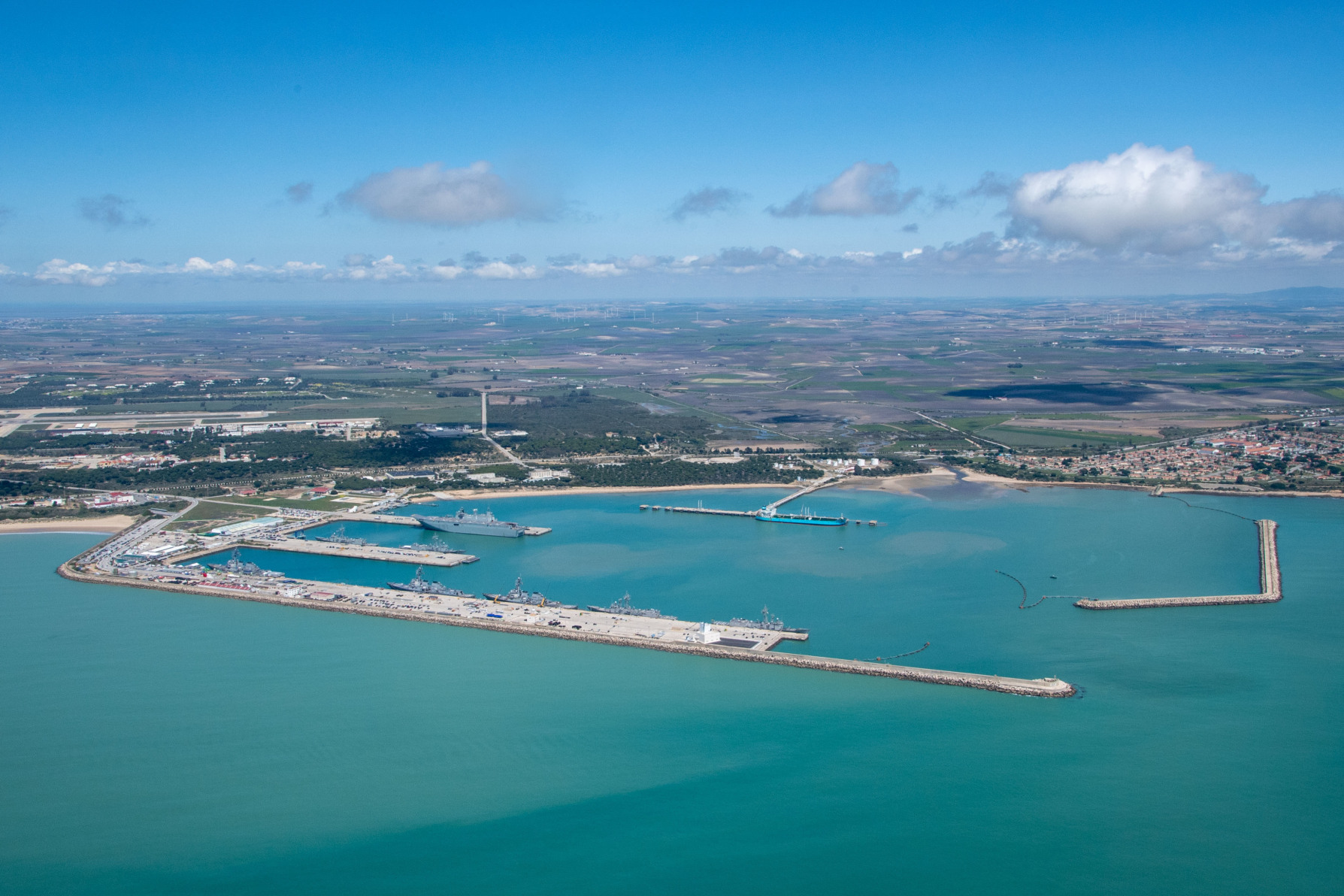
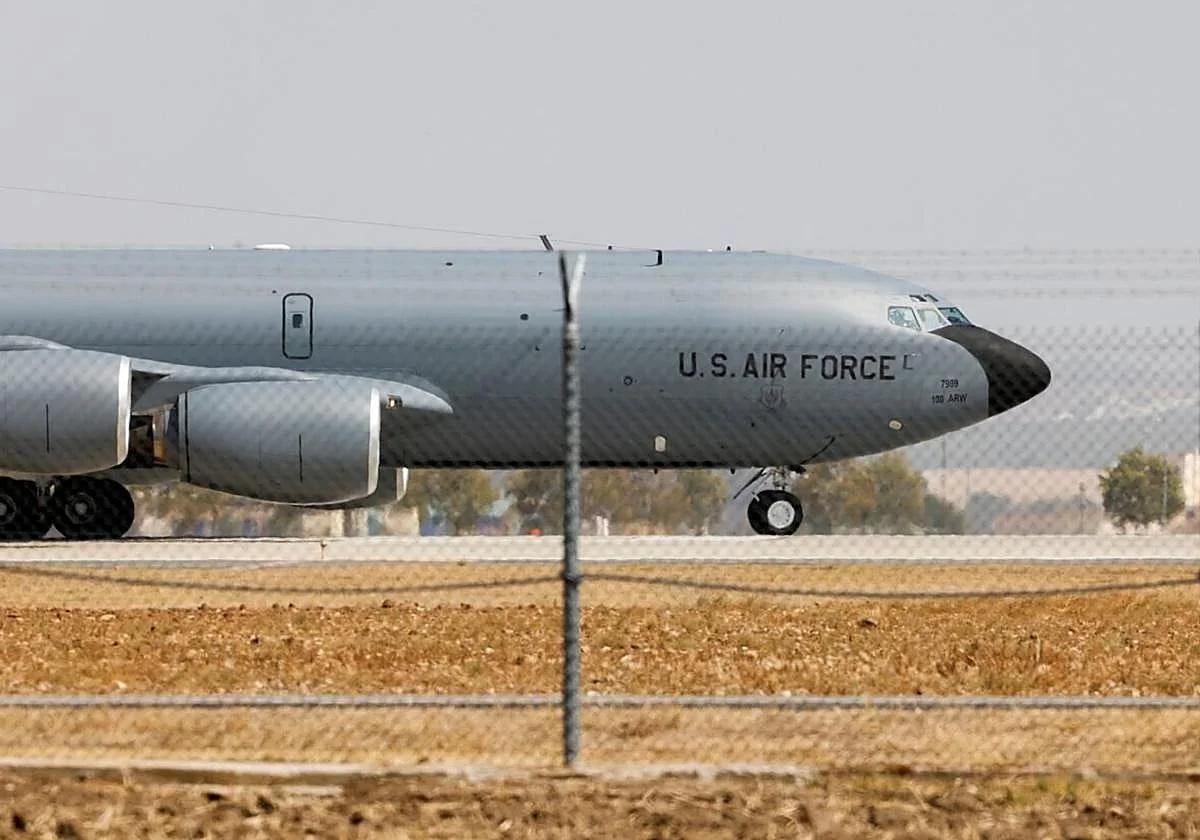
Trump Suggests Withdrawal of US Bases in Spain and Criticises NATO Over Strait of Hormuz
Spain / 22 march 2026
Washington/London, 20 March 2026 – US President Donald Trump has suggested that withdrawing American military bases from Spain and other NATO allies may be justified due to their refusal to cooperate in ensuring the safe passage of ships through the Strait of Hormuz, amid the ongoing conflict in Iran.
In remarks addressing members of Congress advocating such action, Trump stated, “Those who suggest holding countries accountable for non-cooperation are right.” He added, “I think NATO is on the wrong track. They should be helping in the Strait.”
Senator Lindsey Graham specifically called for the withdrawal of US aircraft from the Rota and Morón air bases in Cádiz, labelling Spain’s refusal to allow their use for military operations as “an insult and an affront to the alliance.” Trump also hinted at potential trade reprisals against Spain for distancing itself from the conflict.
Despite this pressure, Spanish Prime Minister Pedro Sánchez has publicly defended Spain’s refusal to support U.S. military plans in the Strait of Hormuz, describing the war as harmful and illegal. Sánchez has refused to allow the United States to use Spanish bases at Rota and Morón for offensive operations, stating this aligns with international law and Spain’s consistent opposition to the conflict. He has repeatedly summarised Spain’s stance as “no to war”, describing the U.S.-Israeli strikes and the wider conflict as a serious error that risks regional and global instability. Spain’s limited involvement has been confined to deploying the frigate Cristóbal Colón in the eastern Mediterranean alongside other European allies, including France’s aircraft carrier Charles de Gaulle.
The UK recently reversed its previous stance, allowing the United States to use British bases for “defensive operations” aimed at neutralising threats to shipping in the Strait of Hormuz. This decision has drawn sharp criticism from Iranian officials, with Foreign Minister Abbas Araqchi accusing Prime Minister Keir Starmer of endangering British lives. Trump, however, praised the UK decision, highlighting it as a rare example of an ally aligning with US objectives in the region.
The latest statements from President Trump coincide with the first visit to the Rota naval base by the new US Ambassador to Spain, Benjamin León Jr., who thanked American troops for their service and commitment during the deployment.
President Trump’s remarks underscore growing tensions within NATO and signal mounting diplomatic pressure on European allies as the Middle East conflict continues, while Spain maintains a firm stance on legal, strategic, and ethical grounds.
Spain Unveils €5 Billion Emergency Package to Shield Households and Businesses from Energy Shock
Madrid, Spain – The Spanish government has approved a €5 billion emergency package to mitigate the economic impact of rising energy prices caused by the Middle East conflict. The measures, announced following an extraordinary cabinet meeting on Friday, aim to protect consumers, key industries, and vulnerable households while supporting Spain’s transition to renewable energy.
The plan responds to surging costs following disruptions linked to the closure of the Strait of Hormuz. Since the attacks on Iran by US and Israeli forces began on 28 February 2026, gas prices in Spain have risen by more than 60%, placing significant pressure on both households and businesses.
Prime Minister Pedro Sánchez stated that the package is designed to provide immediate relief and protect those most exposed to energy price spikes while accelerating long-term structural reforms toward energy independence.
“Today we are more resilient thanks to the deployment of renewables, and we must continue on this path,” Sánchez said, highlighting the combination of short-term relief and incentives for decarbonisation.
Key Measures in the Emergency Package
- Reduced VAT: Electricity, gas, and fuel VAT (IVA) cut from 21% to 10%, potentially reducing fuel costs by up to €0.30 per litre, saving drivers roughly €20 per average tank.
- Direct sector support: Agricultural and transport sectors receive €0.20 per litre fuel subsidies, along with aid for fertiliser purchases.
- Industrial relief: High electricity-consuming industries will benefit from an 80% rebate on tolls.
- Social protections: Extension of the electricity social bonus until December 2026, expansion of the heating bonus, protection from energy supply cuts, and a maximum price cap on bottled gas.
- Authorities estimate that 20 million households and 3 million companies will benefit from the measures.
Long-Term Structural Reforms
The package also includes incentives to accelerate Spain’s energy transition:
- Expansion of income tax deductions for installing solar panels, heat pumps, and electric vehicle charging points.
- Support for improving building efficiency and scaling up renewable energy deployment.
- Enhanced powers for regulators to monitor and penalise companies attempting to exploit the crisis through excessive pricing.
Sánchez emphasised the human and financial cost of the crisis:
“These are 5 billion euros that we could be allocating to scholarships, healthcare, and long-term care. I’m very, very angry with the situation… no plan can neutralise the misery of this illegal war.”
Parliamentary Approval and Political Context
The emergency package will require parliamentary approval. The government postponed the annual budget presentation to prioritise crisis response. Political tensions remain, particularly with the left-wing Sumar party, which requested additional measures to address rising housing costs. The government plans to present a separate package for renters and vulnerable households next week.
The government will also provide aid for building acclimatisation and accelerate the installation of renewable energy systems, reinforcing Spain’s commitment to energy independence and decarbonisation despite global uncertainties.
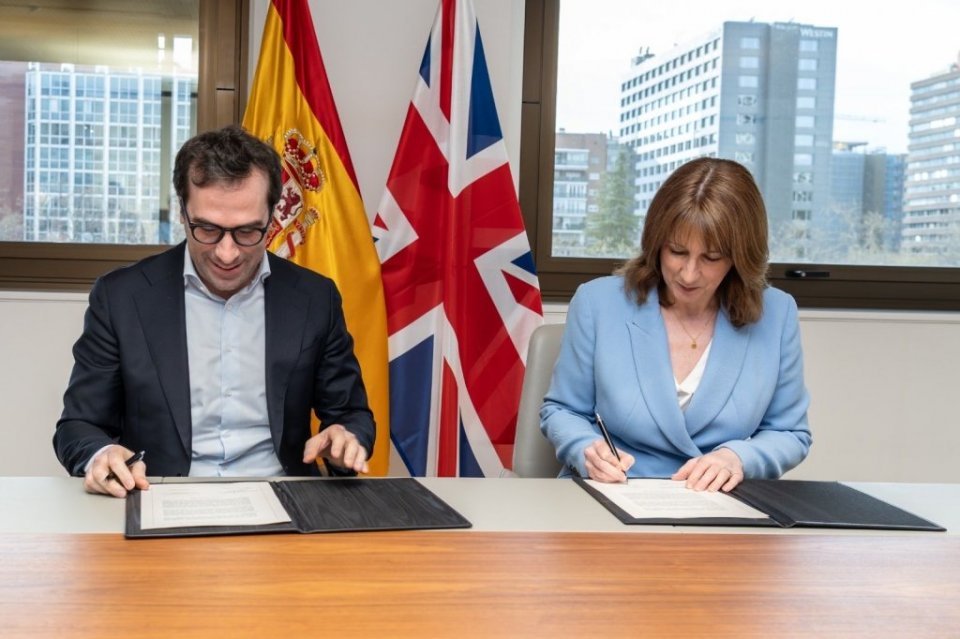

UK Chancellor Signs Short-Stay Work Visa Waiver with Spain to Strengthen Post-Brexit Trade
Madrid, Spain – The United Kingdom and Spain have taken a major step to deepen post-Brexit economic ties, with the signing of a new short-stay work visa waiver and closer recognition of professional qualifications. UK Chancellor Rachel Reeves formalised the agreement during her first official visit to Madrid on Wednesday, 18 March 2026.
The agreement will allow UK and Spanish professionals to work across borders for periods of up to 90 days within a 180-day period, without the need for a full work visa. It covers key sectors including legal and financial services, consulting, IT, and specialist corporate roles, and operates on a reciprocal basis, allowing Spanish professionals similar access to the UK.
Chancellor Reeves met with Spain’s Economy Minister Carlos Cuerpo to sign a joint declaration under a new “Trade and Investment Dialogue” framework, designed to facilitate professional mobility, recognise qualifications, and strengthen bilateral economic cooperation.
The UK Treasury has highlighted that the visa waiver alone could generate around £250 million in additional exports for British businesses over five years, underlining the importance of services—a sector in which the UK remains one of the world’s leading exporters.
The visit also coincided with a £240 million investment linked to Spanish liquid storage company Exolum, as Reeves met representatives from over 120 Spanish businesses and investors.
Chancellor Reeves said:
"In an uncertain world, we must build growth that is secure and resilient. We do this best through partnerships with those who share our interests, our values, and our ambitions. We count Spain amongst those partners – and the prize for doing more together is considerable."
Minister Cuerpo echoed the sentiment:
"No country can face the challenges of this era alone — economic security, technological transformation, climate change. The answer is more cooperation with trusted partners, not less. And the United Kingdom is, and will remain, one of Spain’s most important partners."
The visa waiver follows a proposal initially put forward by Spain to bypass post-Brexit bureaucracy and facilitate business travel between the two countries. It forms part of a wider UK strategy under Prime Minister Keir Starmer to rebuild economic links with European partners, reduce administrative barriers, and strengthen trade and investment post-Brexit.
Trade between the UK and Spain continues to grow strongly:
Spanish exports of goods to the UK reached €24.9 billion in 2025, up 4.5% year-on-year and more than 25% higher than pre-pandemic levels.
UK exports to Spain reached £22.1 billion between October 2024 and September 2025, an annual increase of 11%, making Spain one of the UK’s fastest-growing markets.
This visit builds on the Strategic Framework agreement signed in London last September by UK Prime Minister Keir Starmer and Spanish Prime Minister Pedro Sánchez, aimed at strengthening cooperation in technology, defence, and life sciences.
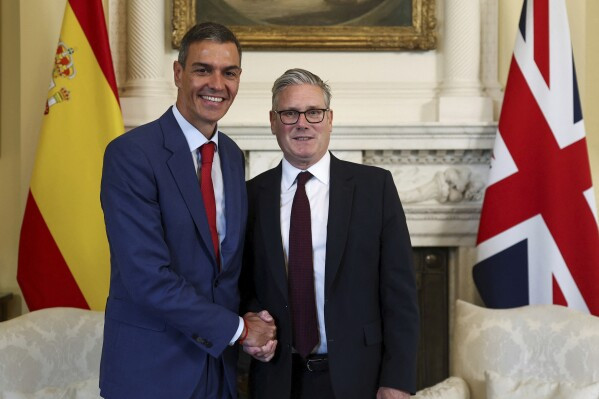
Spain's More Music Variety

A Shine Media Spain Radio Station : 2026
A Shine Media Spain Radio Station : 2025
